
When Listening Saves Lives: Patient Safety, Clinical Reasoning, and the Power of Collaborative Care
Patient-centred care is at the heart of chiropractic practice. Every day, Alberta chiropractors assess patients presenting with pain, functional limitations, and complex health histories. While many cases involve musculoskeletal conditions that respond well to chiropractic care, effective practice also requires knowing when a presentation falls outside the expected clinical picture.
For Dr. Jordyn Bosley, a chiropractor practising in Grande Prairie, a recent patient encounter reinforced the importance of thorough assessment, clinical reasoning, and listening beyond the chief complaint.

Working in a multidisciplinary clinic, Dr. Bosley takes an evidence-based, patient-centred approach that focuses on understanding the whole person, not simply the area of concern that brings them through the door. That approach was put to the test when a walk-in patient sought care for persistent back and hip pain that had been affecting their quality of life for some time.
On the surface, the case appeared consistent with chronic musculoskeletal pain. The patient described chronic pain, poor sleep, and ongoing fatigue. Neurological and orthopaedic testing produced few notable findings, and there was little during the physical examination that would prompt immediate concern.
However, experienced clinicians know that an assessment is about more than identifying positive test findings. It also requires recognizing when pieces of a patient’s story do not quite fit together.
As the appointment continued, Dr. Bosley’s gathered more information and began noticing details that warranted closer attention. The patient described episodes of sharp flank pain and a persistent rattling cough. Individually, none of these symptoms represented a clear red flag. However, together they raised questions.
Rather than focusing solely on the patient’s back and hip pain, Dr. Bosley continued exploring the patient’s overall health picture. Although the examination remained largely unremarkable, she trusted her clinical judgement and considered whether there might be an underlying cause unrelated to the musculoskeletal system.
That decision reflects a core component of patient-centred chiropractic care: listening carefully, remaining curious, and allowing clinical reasoning to guide decision-making.
Recognizing that the patient’s presentation required further investigation, Dr. Bosley recommended urgent medical evaluation rather than proceeding with a course of chiropractic treatment. Further investigation ultimately revealed a serious underlying condition that required specialized medical care.
For Dr. Bosley, the experience served as a reminder that successful patient outcomes are not always measured by the treatment provided in the clinic.
“If I can be that practitioner for one patient, that [makes them] feel heard, feel listened to, and I can be an aid in their healthcare team, then I’ve done my job.”
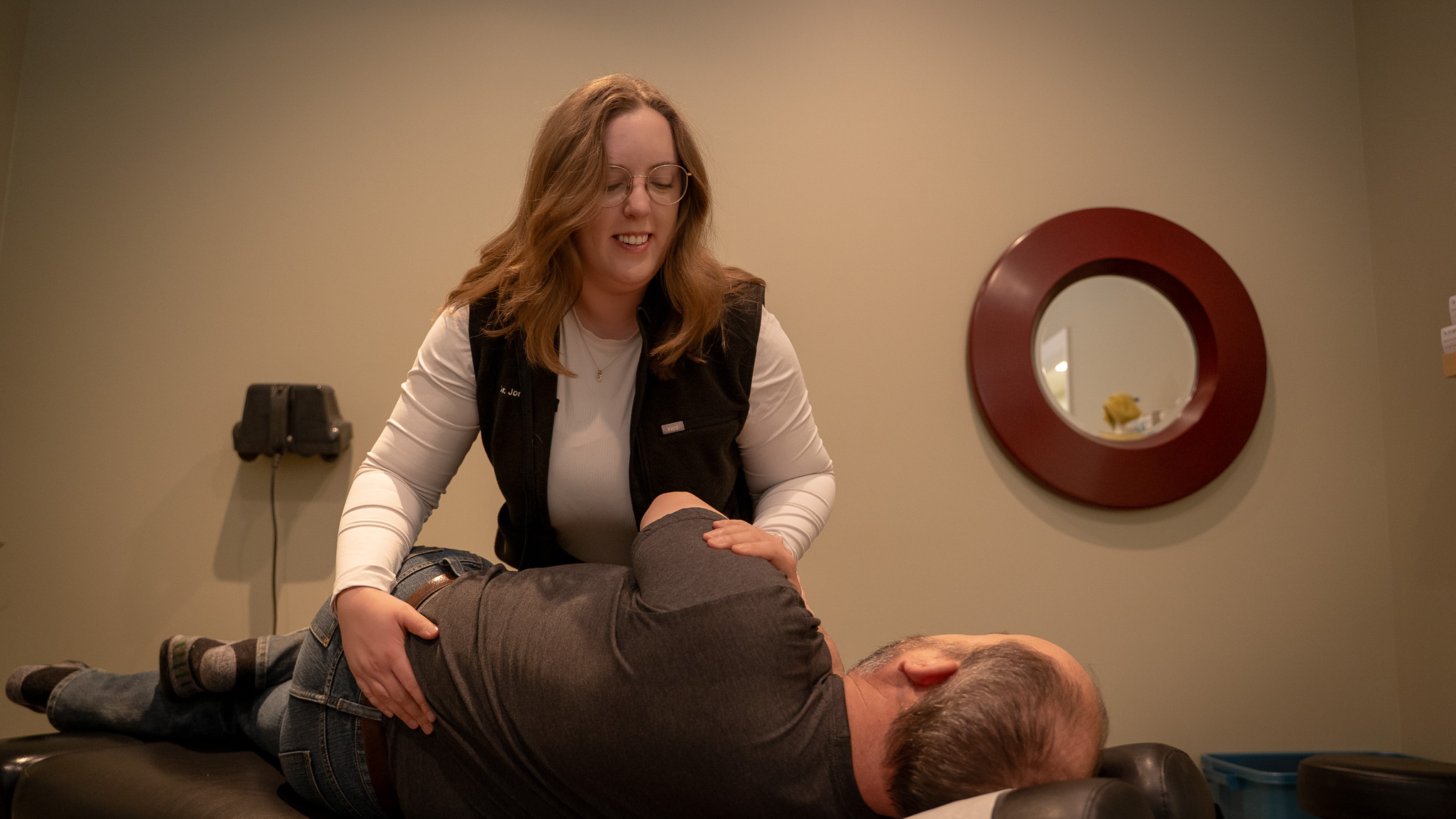
The case also highlights an often-overlooked aspect of chiropractic practice, clinical decision-making. Chiropractors are primary contact healthcare professionals who are responsible not only for diagnosing and managing musculoskeletal conditions, but also for identifying when a patient’s signs, symptoms, or history suggest the need for additional investigation or referral.
Recognizing the limits of one's scope is not a weakness. It is an essential part of safe, evidence-based care. In this case, no single finding triggered the referral. Instead, it was the combination of careful listening, thorough assessment, and professional judgement that led to the decision.
Strong referral networks are also critical to that process. Interprofessional relationships help ensure patients receive the right care at the right time and contribute to a more integrated healthcare experience.
“It’s paramount really for me to have that team of trusted allied healthcare professionals that I can trust that if I send a patient to them, I know that they’re going to be well taken care of.”
For Alberta chiropractors, this story serves as a powerful example of the value the profession brings to patient care. Accessible assessment, comprehensive history-taking, evidence-based clinical reasoning, and appropriate referral pathways all contribute to better patient outcomes.
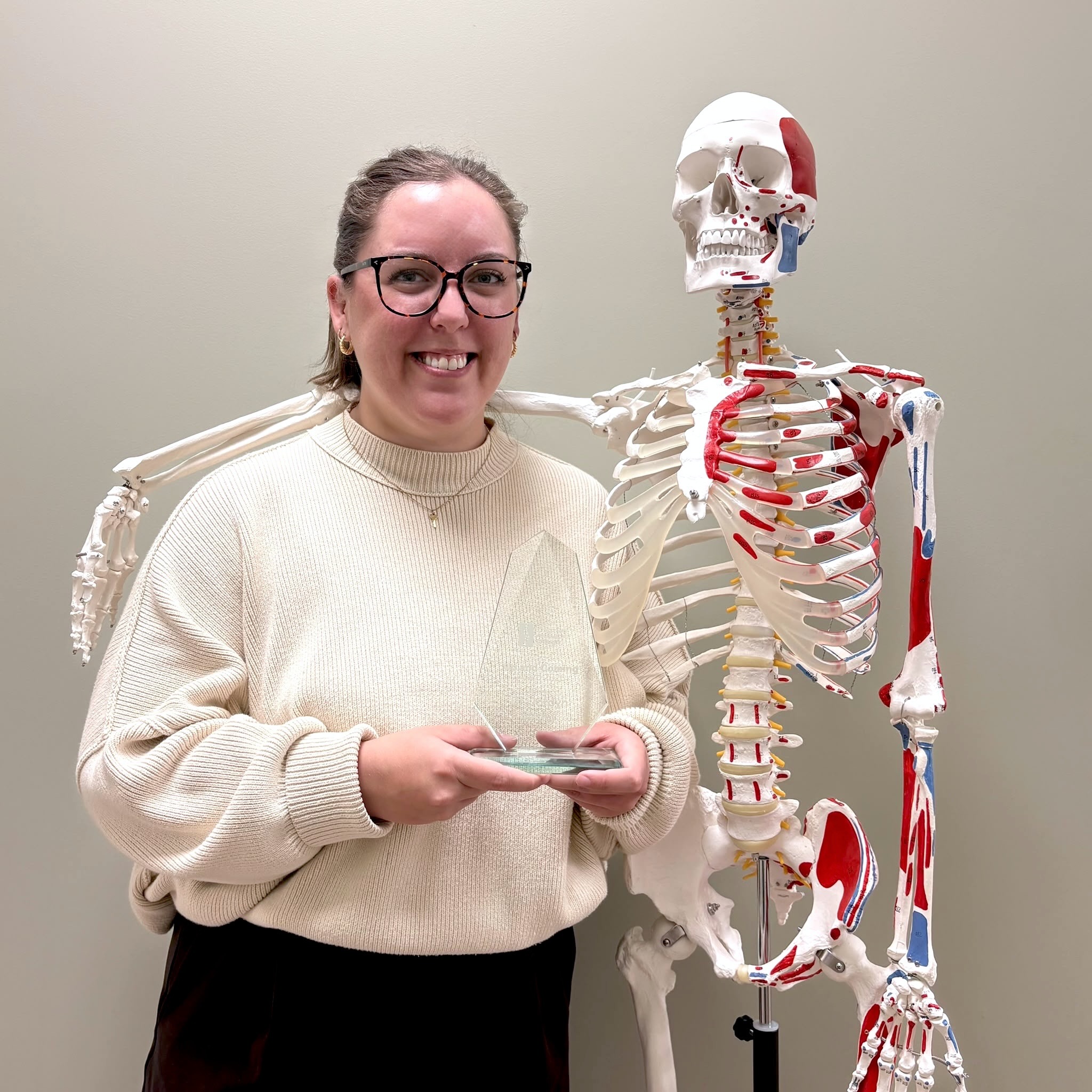
Looking ahead, Dr. Bosley hopes to see greater integration across the healthcare system.
“More integration into mainstream healthcare. I think this is a fantastic example of how beneficial that can be when done properly. It can be quite literally life changing for patients.”
Ultimately, this story is not just about a referral. It is about the impact of patient-centred care. By taking the time to listen, assess thoroughly, and follow the clinical evidence wherever it leads, chiropractors help ensure patients receive the care they need, even when that care lies beyond the chiropractic treatment room.
